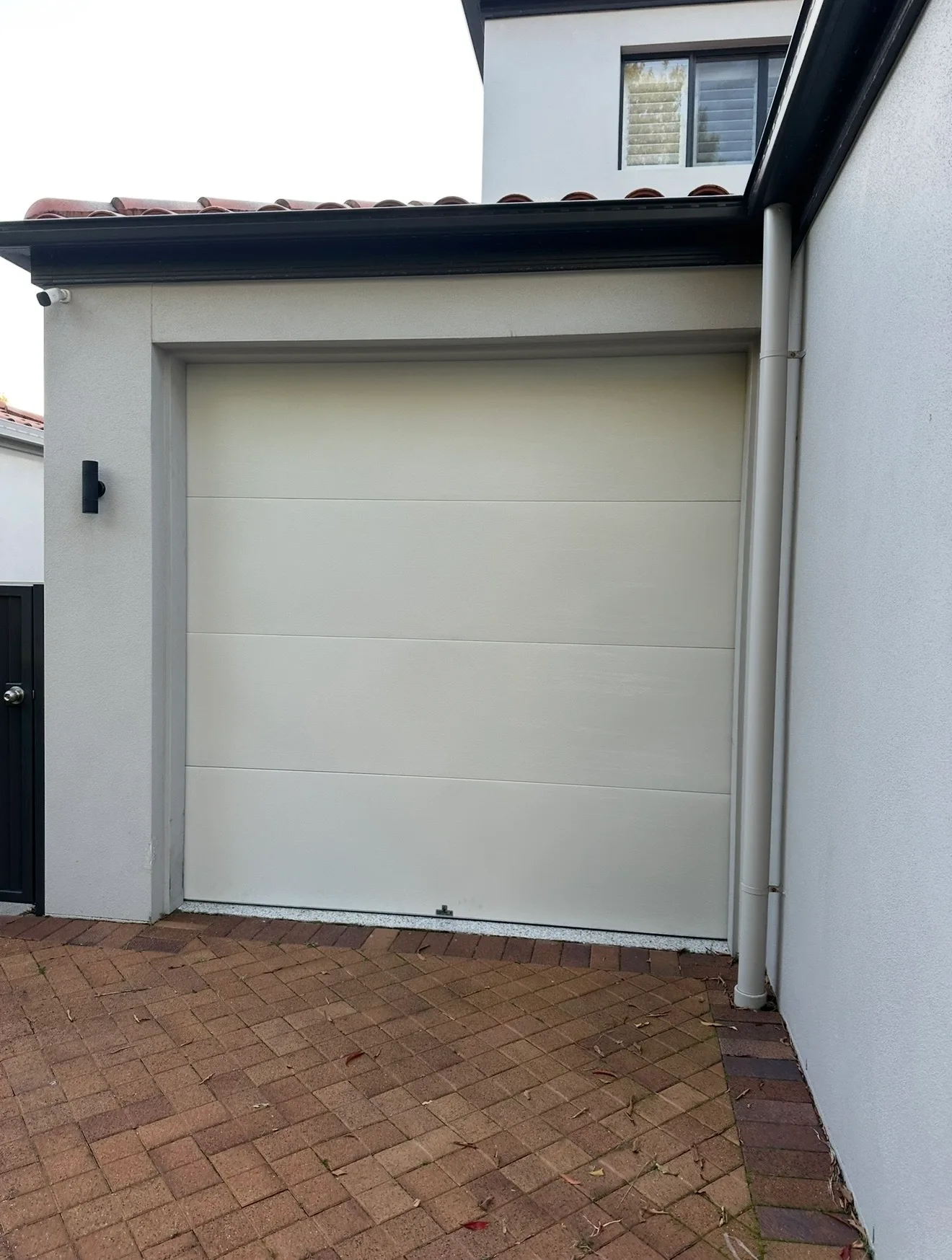
Garage doors are complex mechanical systems with multiple moving parts that work together every time you open or close your door. Over time, components wear out, break, or need adjustment. Understanding the most common repairs helps you recognize problems early, prevent further damage, and know when it's time to call a professional technician.
Quick Answer
The most common garage door repairs include broken springs, worn rollers, damaged cables, motor malfunctions, track misalignment, and sensor issues. While some minor maintenance can be done by homeowners, most repairs—especially those involving springs, cables, or motors—should be handled by qualified professionals for safety reasons.
1. Broken or Worn Garage Door Springs
Spring failure is the most common garage door repair. Springs counterbalance the weight of your door, making it easy to open and close. When a spring breaks, the door becomes extremely heavy and dangerous to operate.
Signs Your Springs Need Replacement
- Door feels extremely heavy when lifting manually
- Door opens only a few inches then stops
- Visible gap in the spring coil
- Door closes too quickly or slams shut
- Loud bang heard from the garage (spring breaking)
- Door hangs crooked or uneven
Safety Warning: Never DIY Spring Repairs
Garage door springs are under extreme tension—up to 200 pounds of force. Attempting to replace or adjust springs yourself can result in serious injury or death. Always call a professional technician for spring repairs. This is not a DIY job.
Professional Solution:A qualified technician will safely remove the broken spring, install the correct replacement spring for your door's weight and size, adjust the tension properly, and test the door balance. Most spring replacements take 30-60 minutes and can often be completed the same day.
Cost Consideration: Spring replacement is one of the most affordable garage door repairs, especially when compared to the cost of a complete door replacement or the medical bills from a DIY injury. At Fortex Door Services, we provide upfront pricing before starting any work.
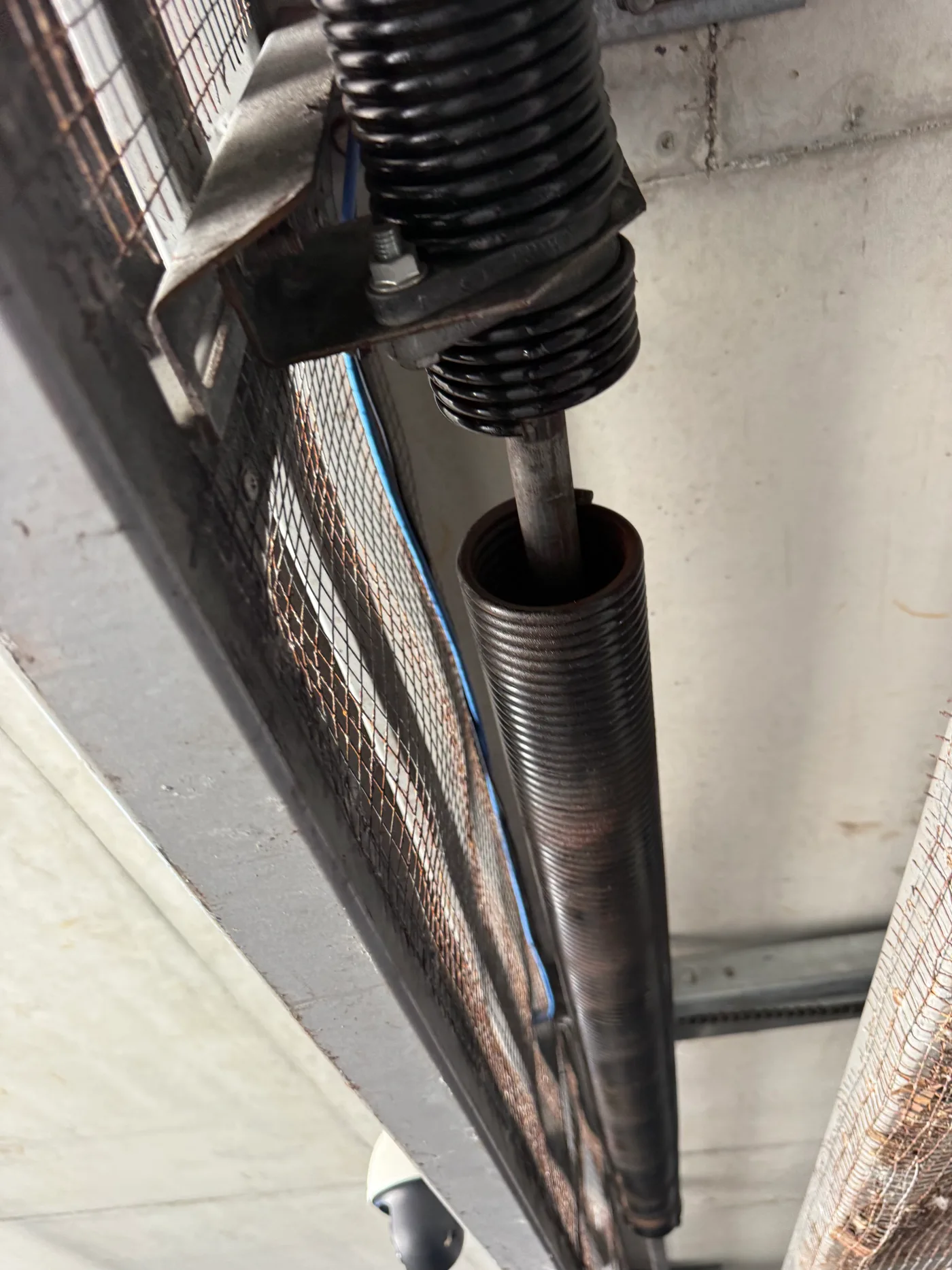
Broken torsion spring — do not operate the door
2. Garage Door Motor and Opener Problems
The garage door motor (opener) is the brain of your automatic garage door system. Motor problems can range from simple fixes to complete replacement needs.
Common Motor Issues
- Motor runs but door doesn't move:
Often caused by a broken gear inside the motor or a disconnected drive chain/belt.
- Remote not working:
Could be dead batteries, signal interference, or the remote needs reprogramming.
- Motor makes noise but won't open door:
Usually indicates the motor is struggling due to broken springs, track issues, or motor wear.
- Door reverses immediately after closing:
Often a sensor alignment issue or incorrect force settings.
- Motor completely dead:
Check power supply first, then circuit breaker. If power is fine, the motor may need replacement.
When to Repair vs Replace: Motors older than 10-15 years are often better replaced than repaired, especially if multiple components are failing. Modern motors are quieter, more reliable, and include better safety features. A technician can assess whether repair or replacement is more cost-effective.
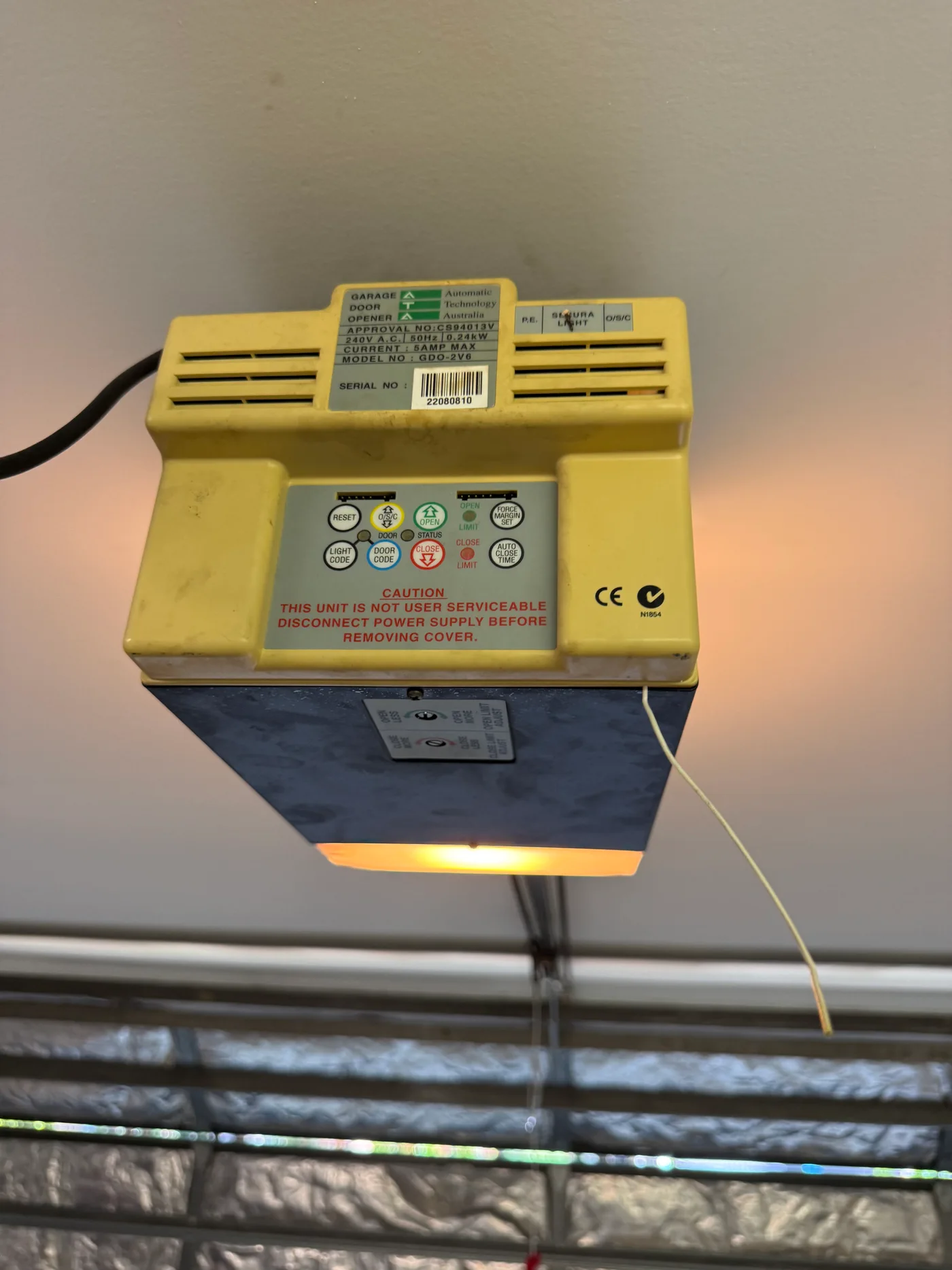
Old motor — showing wear
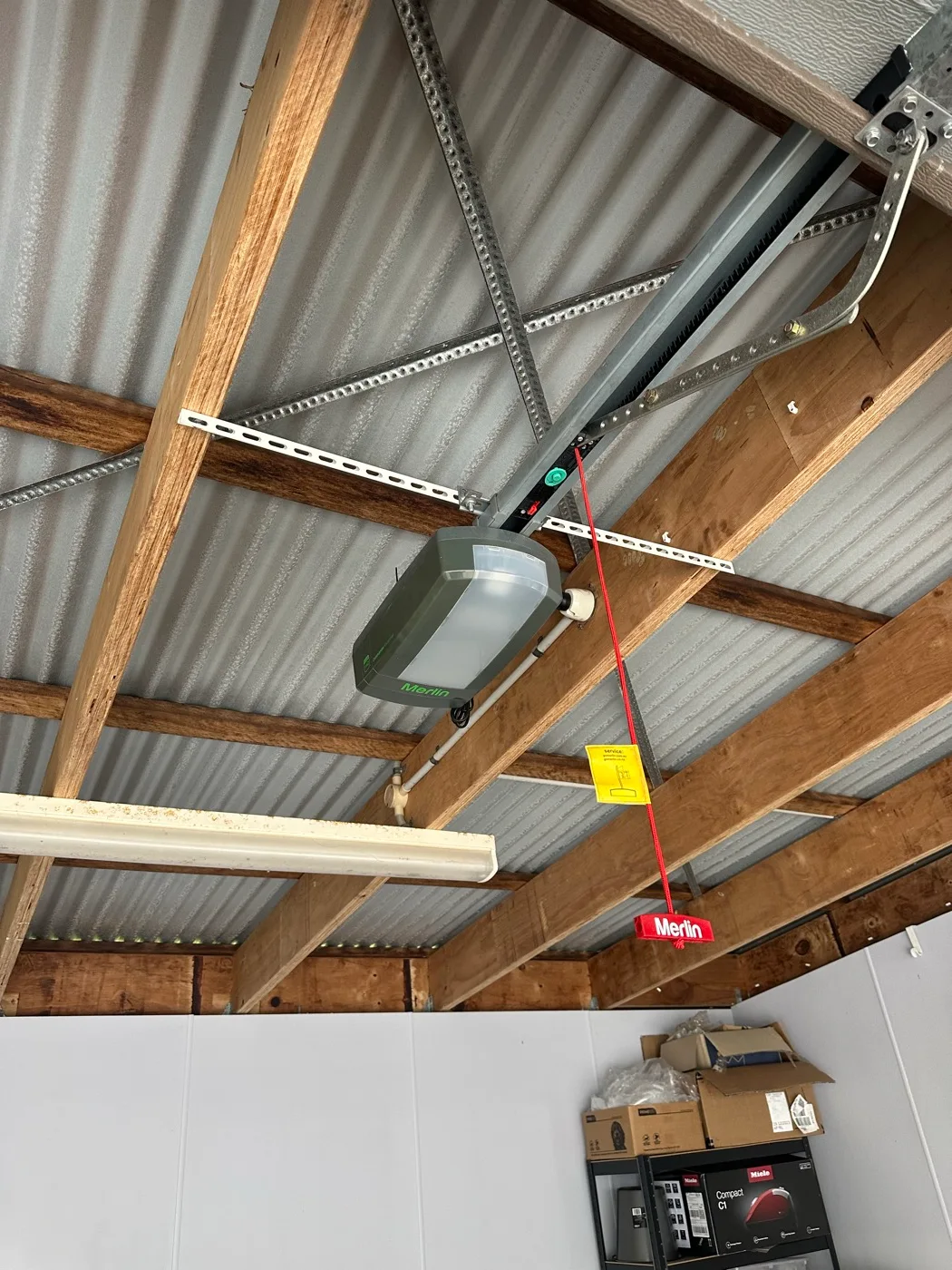
New motor — clean install
3. Worn or Broken Rollers
Rollers guide your garage door along the tracks as it opens and closes. Over time, rollers wear out, crack, or break, causing noisy operation and putting extra strain on the motor.
- Signs of worn rollers:
Grinding or squeaking noises, jerky door movement, visible cracks or flat spots on rollers.
- Metal vs nylon rollers:
Nylon rollers are quieter and last longer than metal rollers. Consider upgrading during replacement.
- Typical lifespan:
Metal rollers: 5-7 years. Nylon rollers: 10-15 years with proper maintenance.
Professional Solution: Roller replacement is relatively straightforward for professionals but requires proper tools and knowledge of door tension. A technician will replace all worn rollers, lubricate the new ones, and ensure smooth operation. This repair typically takes 30-45 minutes.
4. Frayed or Broken Cables
Cables work with springs to lift and lower your garage door safely. When cables fray or break, the door can become unbalanced, crooked, or completely inoperable.
Danger: Broken Cable Emergency
If a cable breaks while the door is open, the door can fall suddenly and cause serious injury or property damage. If you notice a frayed or broken cable, do not operate the door. Call a professional immediately. Keep people and vehicles away from the door until it's repaired.
- Visible fraying or loose strands on the cable
- Door hangs at an angle or one side is higher than the other
- Cable has come off the drum or pulley
- Rust or corrosion on cables (common on the Gold Coast due to salt air)
Professional Solution: Cable replacement requires releasing spring tension, removing the old cable, installing new cables, and properly adjusting tension. This is dangerous work that should only be done by trained technicians. We recommend replacing both cables even if only one is broken, as they wear at similar rates.
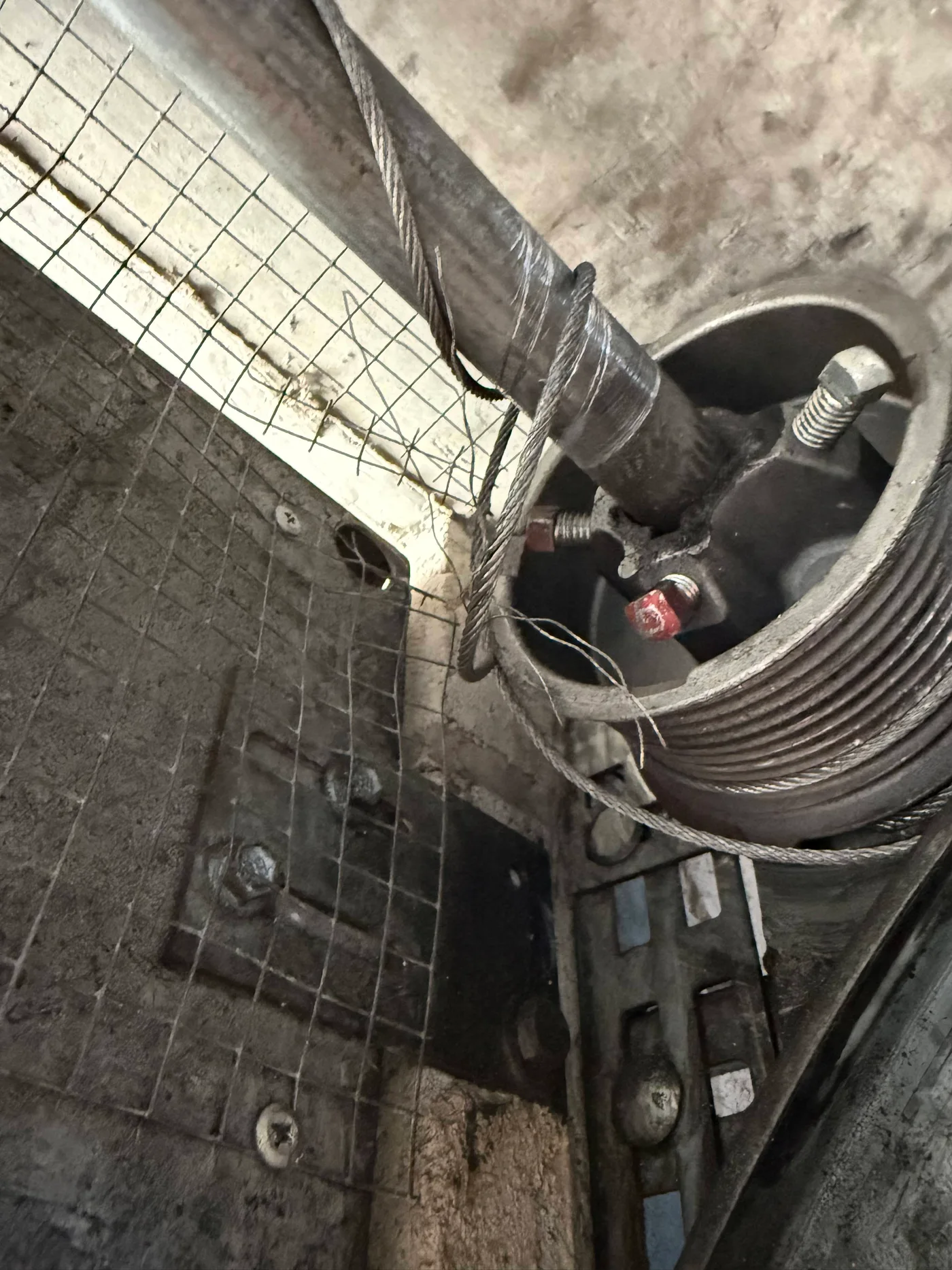
Frayed cable — stop using the door immediately
Broken spring, cable, or motor?
Fortex is a local Gold Coast technician — same-day service available.
5. Track Misalignment and Damage
Tracks guide your garage door's movement. Bent, misaligned, or damaged tracks cause jerky operation, excessive noise, and can prevent the door from opening or closing properly.
Track Problems and Solutions
- Minor misalignment:
Can often be adjusted by loosening track brackets and realigning. Should be done by a professional to ensure proper alignment.
- Bent tracks:
Minor bends can sometimes be straightened. Severe damage requires track replacement.
- Debris in tracks:
Leaves, dirt, or small objects can cause problems. Regular cleaning prevents this issue.
- Loose track brackets:
Can cause tracks to shift out of alignment. Tightening brackets may solve the problem.
6. Sensor and Safety Feature Malfunctions
Modern garage doors include photoelectric sensors and auto-reverse mechanisms for safety. When these malfunction, the door may not close properly or may reverse unexpectedly.
- Sensor misalignment:
Often indicated by blinking lights on the sensors. Sensors must be perfectly aligned to work.
- Dirty sensor lenses:
Dust, spider webs, or dirt can block the sensor beam. Clean lenses with a soft cloth.
- Wiring issues:
Damaged or loose wiring can cause sensor failures. Requires professional diagnosis and repair.
- Faulty sensors:
Sometimes sensors simply fail and need replacement. Modern sensors are more reliable than older models.
Important: Never bypass or disable safety sensors. If sensors are not working correctly, call a professional. Operating a garage door without functioning safety features is dangerous and may violate Australian safety standards.
7. Damaged or Worn Weather Seals
Weather seals at the bottom and sides of your garage door keep out rain, wind, dust, and pests. Gold Coast's coastal environment can accelerate seal deterioration.
- Visible cracks, tears, or brittleness in the seal
- Daylight visible under or around the closed door
- Water entering the garage during rain
- Increased energy bills (if garage is climate-controlled)
- Pests or insects entering through gaps
DIY Potential: Weather seal replacement is one of the few garage door repairs that handy homeowners can sometimes do themselves. However, professional installation ensures proper fit and seal. The cost is minimal compared to the protection it provides.
When to Call a Professional vs DIY
| Repair Type | DIY or Professional? | Reason |
|---|---|---|
| Spring replacement | Professional Only | Extreme danger - springs under high tension |
| Cable repair | Professional Only | Requires spring tension release - dangerous |
| Motor replacement | Professional Recommended | Requires electrical work and proper installation |
| Roller replacement | Professional Recommended | Requires door support and proper tools |
| Track alignment | Professional Recommended | Improper alignment causes further damage |
| Sensor cleaning | DIY Possible | Simple cleaning with soft cloth |
| Lubrication | DIY Possible | Basic maintenance task |
| Weather seal replacement | DIY Possible | Straightforward with right materials |
Gold Coast Specific Repair Considerations
Living on the Gold Coast presents unique challenges that can affect garage door repairs:
- Salt air corrosion:
Coastal homes experience faster deterioration of metal components. Regular servicing and rust-resistant parts are essential. Consider upgrading to stainless steel or coated components.
- Humidity effects:
High humidity can affect electronic components and sensors. Keep sensor lenses dry and consider dehumidification in enclosed garages.
- Storm damage:
Severe weather can bend tracks, damage panels, or affect door alignment. Inspect your door after major storms.
- Temperature fluctuations:
Metal expansion and contraction can affect door balance and track alignment over time.
How to Choose a Garage Door Repair Company
Not all garage door repair companies are equal. Here's what to look for when choosing a professional:
- Local and established: Choose a company with a proven track record in the Gold Coast area
- Upfront pricing: Reputable companies provide quotes before starting work
- Qualified technicians: Ensure technicians are trained and experienced
- Warranty on work: Quality companies stand behind their repairs
- Emergency service: Garage door problems don't always happen during business hours
- Honest recommendations: Good technicians will tell you when repair isn't worth the cost
At Fortex Door Services, we provide all of the above. We've been serving Gold Coast families for years, and we pride ourselves on honest, professional service. We'll never recommend unnecessary repairs, and we always provide upfront pricing before starting work.
Preventing Future Repairs
While some repairs are inevitable, regular maintenance can prevent many common problems and extend the life of your garage door:
- Schedule annual professional servicing
- Lubricate moving parts every 6 months
- Test safety features monthly
- Keep tracks clean and free of debris
- Address small problems immediately before they become big ones
- Don't ignore unusual noises or changes in operation
Learn more about preventative maintenance in our Annual Garage Door Maintenance Checklist.
Garage Door Repair FAQ
How much do garage door repairs typically cost?
Repair costs vary with the problem, your door type and the parts needed — simple fixes like sensor alignment or lubrication cost far less than spring or motor replacement. Call 0434 099 873 for a fast, free quote; we can usually price it over the phone, and every job is quoted upfront before work starts.
How long do garage door repairs take?
Most common repairs take 30-90 minutes. Spring replacement typically takes 30-60 minutes. Motor replacement may take 1-2 hours. More complex repairs involving multiple components may take longer. We'll give you an estimated timeframe when we diagnose the problem.
Should I repair or replace my garage door?
If your door is less than 15 years old and the repair cost is less than 50% of replacement cost, repair is usually the better option. However, if you're facing multiple expensive repairs on an old door, replacement may be more cost-effective long-term. A technician can help you make this decision.
Do you offer emergency garage door repairs?
Yes! Fortex Door Services offers emergency repair services throughout the Gold Coast. If your garage door is stuck open or closed, or if you have a safety concern, call us immediately. We understand that garage door problems can't always wait until business hours.
Don't Let Small Problems Become Big Emergencies
Most major garage door failures start as small, noticeable problems. Strange noises, slow operation, or minor malfunctions are your door's way of telling you something needs attention.
Addressing issues early saves money, prevents inconvenient breakdowns, and keeps your family safe. If you've noticed any of the problems described in this guide, don't wait—contact Fortex Door Services for a professional inspection and honest assessment.