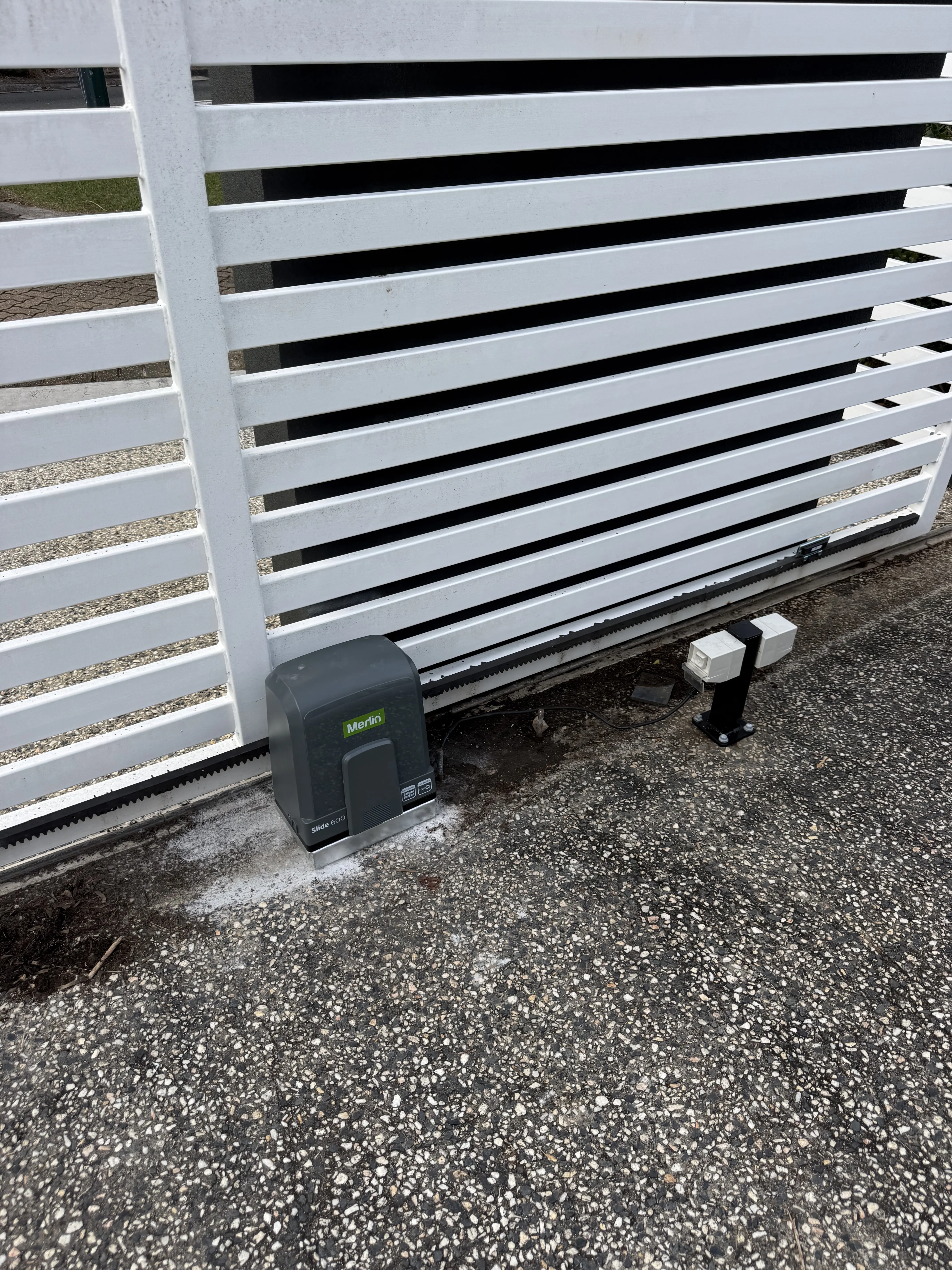
A Varsity Lakes homeowner called us about a gate motor that had followed the classic decline: reliable for years, then temperamental — working on the second or third press, stopping partway on hot days — then finally unresponsive altogether. They'd had it looked at before and could have kept feeding repairs into it, but chose the smarter path for a unit well past its best: replace the lot and start fresh.
What We Installed
- A new gate motor matched to the gate's weight and size. Motor rating matters — an undersized motor strains and dies early, an oversized one is wasted money. This one was installed, aligned and tuned to the gate it drives.
- A new receiver — the radio brain that listens for the remotes — replacing the corroded original.
- Two new coded remotes, paired to the receiver and tested from the street, the driveway and inside the car.
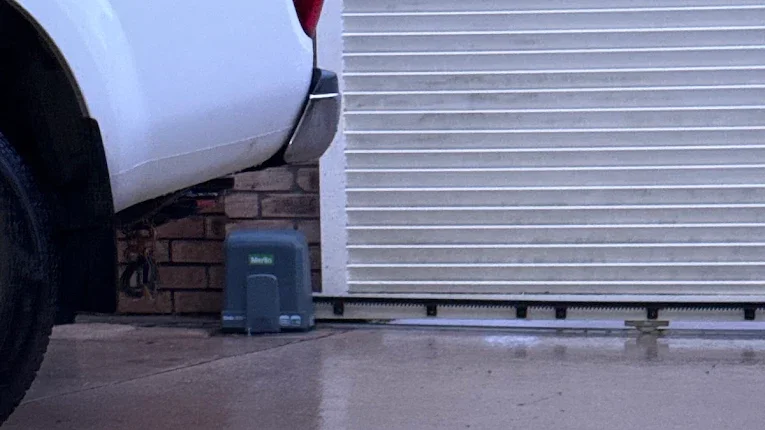
Single visit. Everything programmed, run through full open-close cycles including the safety reversal, and demonstrated to the owner before we left. No return trips, no "it should be right now" — a working gate, shown working.
Why Replace the Receiver and Remotes Too?
It's tempting to keep the old receiver and remotes and only swap the motor. Here's why we don't recommend it:
- Old receivers corrode. Years outdoors in Gold Coast humidity leaves terminals and boards corroded, causing intermittent faults that get blamed on the motor. Fitting a new motor to a flaky old receiver means chasing ghosts later.
- Modern rolling-code remotes are more secure. They change their signal every press, so the code can't be captured and cloned the way old fixed-code remotes could. For a gate that's your main perimeter security, that matters.
- Same generation, fewer gremlins. A motor, receiver and remotes from the same generation are designed to work together — one coding system, one set of documentation, one warranty covering the whole system.
Signs Your Gate Motor Is Dying (Not Just Sulking)
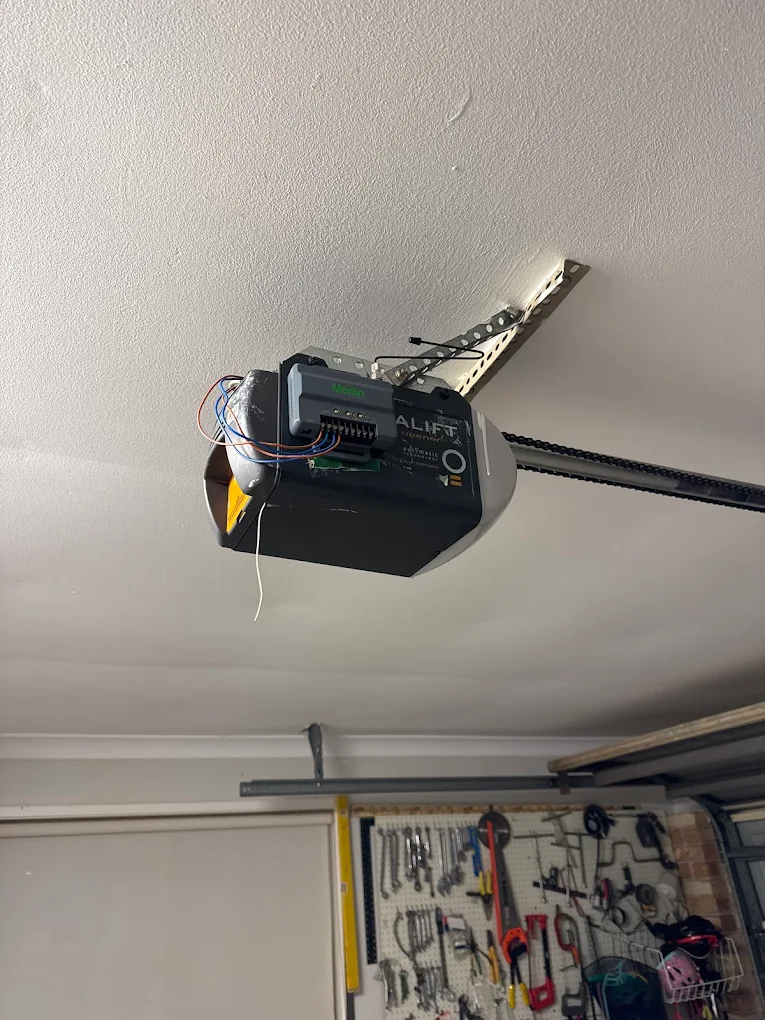
- Works after a few tries — the signature of failing capacitors or worn internal gears. It will keep getting worse.
- Grinds or hums without moving — the motor is trying and failing to drive the gate. Stop pressing; it overheats fast in this state.
- Stops mid-travel or reverses randomly — worn drive components or failing control electronics, not the gate "being fussy".
- Remotes only work up close — a fading receiver, often corrosion-related.
- 10+ years old with recurring repairs — at some point you're paying to keep a retired motor on life support.
The honest call: one or two of these signs and a gate motor repair may well sort it — plenty of faults are a single cheap part. Three or more on an older unit, and replacement usually wins on reliability and total cost over the next few years.
Gate Motors Across the Gold Coast
Fortex installs and repairs swing and sliding gate motors across the Gold Coast — Varsity Lakes, Burleigh Waters, Robina, Mermaid Waters and beyond. One technician, direct communication, and a gate demonstrated working before we leave.
Gate Motor Installation FAQ
How long does a gate motor installation take?
Most residential gate motor installs are done in a single visit, usually 2–4 hours. That includes removing the old unit, mounting and aligning the new motor, wiring it in, setting travel limits and force settings, pairing the receiver and remotes, and testing the gate through full cycles — including the safety reversal — before we leave. You get a working, demonstrated system the same day, not a return-visit project.
Should I repair or replace my gate motor?
A good rule of thumb: if the motor is under 8–10 years old and has a single identifiable fault — a capacitor, battery, limit switch or receiver — repair is usually worthwhile. If the motor is older and the faults keep coming back, replacement generally wins: you stop paying for repeat call-outs on a unit at the end of its life, and you get a fresh warranty on the whole system. Three or more failure signs on an older unit is a strong signal it's replacement time.
Do new gate remotes work with old receivers?
Often not reliably. Remote coding systems change between generations — older receivers use fixed-code technology while modern remotes use rolling codes — so a new remote frequently can't talk to an old receiver at all, or pairs but drops out intermittently. That's why a new receiver is typically installed alongside new remotes: same generation, same coding system, one warranty, and no gremlins from mixing eras of hardware.
What are rolling-code remotes and why do they matter?
A rolling-code remote changes its transmitted signal every time you press the button, following a sequence only the paired receiver can predict. That means the code can't be captured and cloned the way old fixed-code remotes could, so your gate — often the main security barrier for your driveway and home — can't be opened by a copied signal. All current-generation gate remotes we install use rolling code.
Do you install the gate itself, or just the motor?
Fortex installs and repairs the motor and automation — the motor, receiver, remotes, safety beams and controls — on a gate you already have. We don't fabricate or install the physical gates themselves. If your gate is structurally sound but the automation is dead or unreliable, that's exactly the job we do.