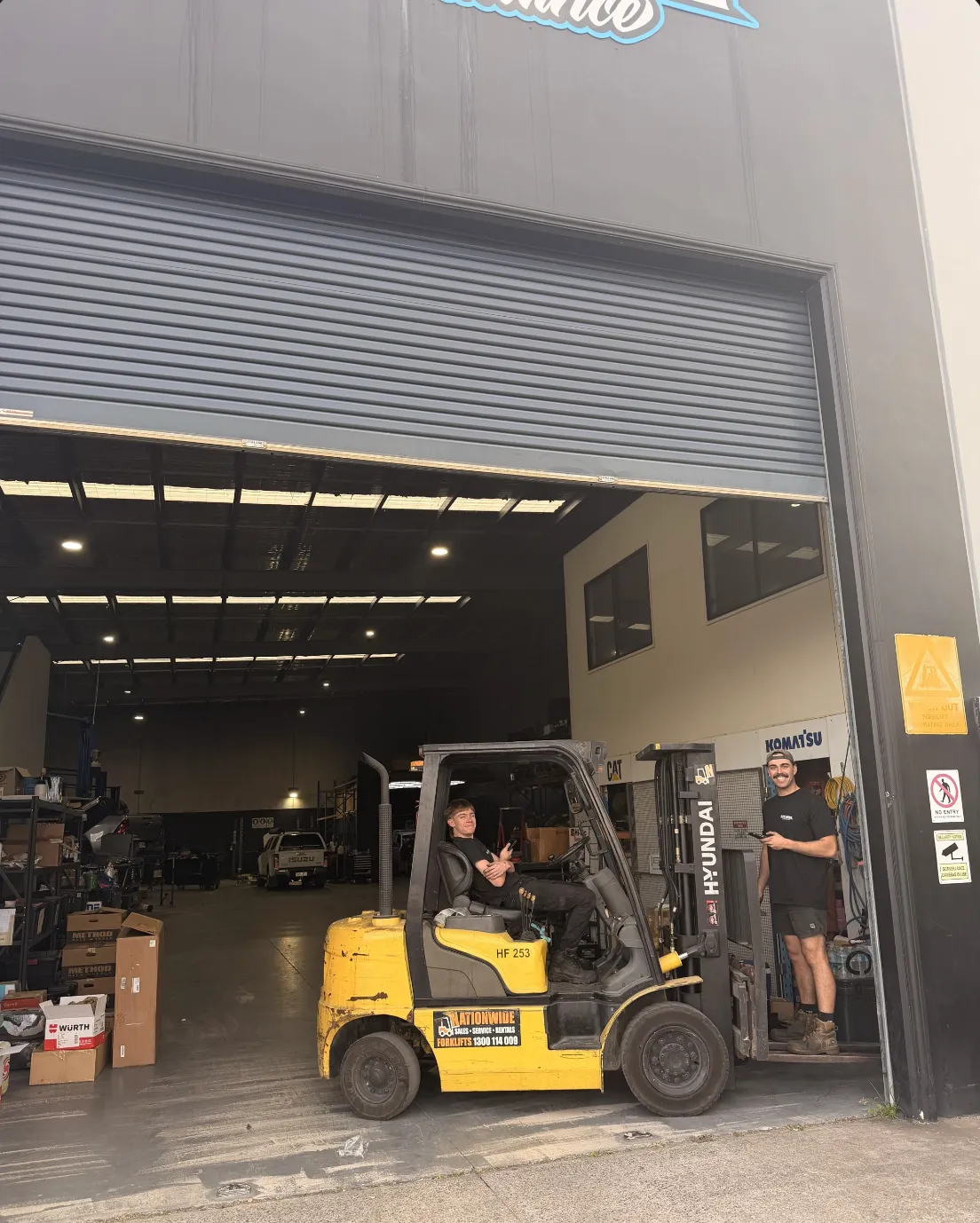
A diesel performance workshop in Stapylton called us with a familiar story: a commercial roller door working overtime and an ageing motor that couldn't keep up. The door was opening slower every week, straining on heavy mornings, and occasionally refusing altogether. For a workshop, that's not a maintenance niggle — when the door stops, cars can't come in or out, and the whole business stops with it.
The Job
We supplied and installed a new heavy-duty commercial door motor rated for high-cycle daily use — built for a door that gets opened dozens of times a day, not a handful. Just as importantly, we did a full door service in the same visit. A new motor bolted onto a worn door is a new motor with a short life expectancy, so the door itself has to be right first.
The service covered:
- Spring tension check and adjustment — the springs do the lifting; the motor just drives. Wrong tension means the motor fights the door on every cycle.
- Lubrication and inspection of tracks, rollers and hinges — a freely running door is the difference between a motor that cruises and one that grinds itself to death.
- Safety reversal and limit testing — non-negotiable on a commercial door with staff and customer vehicles moving under it all day.
- Programming and testing all controls — remotes, wall controls, the lot, tested through repeated cycles before sign-off.
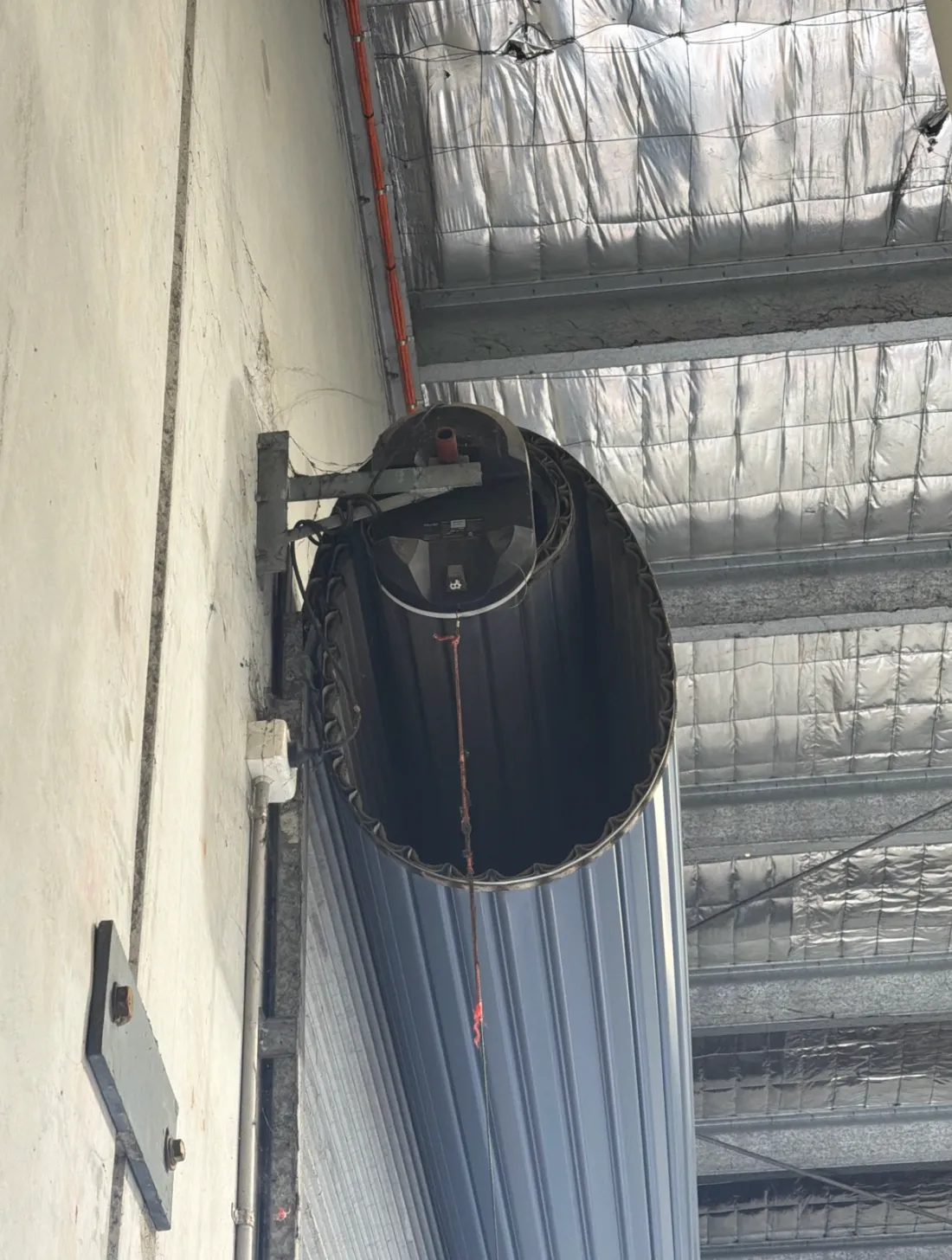
Same-day job. The old motor came down in the morning, and the workshop was back to full operation by the afternoon — new motor, freshly serviced door, every control tested.
Why Commercial Doors Need Commercial Motors
Here's the core of it: a residential garage door motor is engineered for around 2–4 cycles a day — you leave in the morning, you come home at night. A workshop door does 20–40 cycles a day, every working day. That's ten times the duty a residential unit was ever designed for.
We see the result constantly in the Stapylton, Yatala and Ormeau industrial areas: a residential motor installed on a commercial door to save money up front, dead within a couple of years. The motor overheats, the drive gears strip, and the failure usually lands mid-week when the door matters most.
Commercial-rated motors are built differently — continuous-duty motors, heavier drive components, and the torque to move a large, heavy commercial curtain without straining. They cost more for a reason, and on a high-use door they're the cheaper option over any realistic timeframe. If your door is commercial, the motor should be too — our commercial garage door repairs page covers the full scope of what we work on.
Signs Your Commercial Door Motor Is on the Way Out
- The door hesitates, strains or stops partway — the motor no longer has the torque for the curtain, or the door is binding and the motor is losing the fight.
- The motor is hot to the touch after a few cycles — a duty-cycle problem. It's working beyond its rating and cooking itself.
- Grinding or clicking during operation — worn drive gears or a failing clutch. It gets worse, never better.
- Remotes and wall controls work intermittently — ageing receiver electronics, and an early warning that the control side is on borrowed time.
Door Downtime Is Workshop Downtime
If any of those signs sound familiar, don't wait for the morning the door won't open with three cars booked in. A planned motor replacement happens on your schedule; a failed motor happens on the door's schedule.
Commercial & Industrial Doors Across the Northern Gold Coast
Fortex services commercial and industrial doors across the northern Gold Coast corridor — workshops, warehouses, storage facilities and factory units. One technician, direct communication: the person who answers the phone is the person who turns up and does the work. See the full list of areas we cover.
Commercial Door Motor FAQ
How long does a commercial garage door motor install take?
Usually a single visit of around 3–4 hours, including a full service of the door itself and complete testing before handover. That covers removing the old unit, mounting and wiring the new motor, setting travel limits and force settings, programming every remote and wall control, and running the door through repeated cycles to confirm it's reliable under real use. Most workshops are back to normal operation the same day.
Can I put a residential motor on a commercial door?
It's not recommended. Residential motors are designed for around 2–4 door cycles per day, while a busy workshop or warehouse door can do 20–40. A residential unit driving a heavy commercial curtain at that rate overheats, wears its drive gears prematurely and typically fails within a couple of years — often without warranty cover, because it was used outside its rating. A commercial-rated motor is built for continuous duty and the extra curtain weight, so it lasts the distance.
How often should a commercial garage door be serviced?
High-use commercial doors should be serviced every 6–12 months. A commercial door doing dozens of cycles a day accumulates wear at many times the rate of a home garage door, so spring tension, track alignment, rollers and safety systems drift out of spec much faster. Regular servicing catches that wear before it causes downtime, keeps the door safe for staff, and significantly extends the life of the motor driving it.
Do you service commercial doors in Yatala and Ormeau as well as Stapylton?
Yes. Fortex services commercial and industrial doors across the northern Gold Coast corridor, including Stapylton, Yatala, Ormeau and the surrounding industrial estates — workshops, warehouses, storage facilities and factory units. It's one technician end to end, so you deal with the same person who quotes the job, does the work and answers the phone afterwards.
Why does a new commercial motor need the door serviced at the same time?
Because the motor only drives the door — the springs do the lifting. If spring tension is out, or the tracks and rollers are binding, the new motor works far harder than it should from day one and wears out early. Servicing the door in the same visit means the motor starts life on a door that runs freely, which is the single biggest factor in how long it lasts.